Rhythm Readers: Decoding Possession Patterns in Football and Pace Profiles in Races for Winning Wagers
Written by Jonas Bennett · Apr 1, 2026
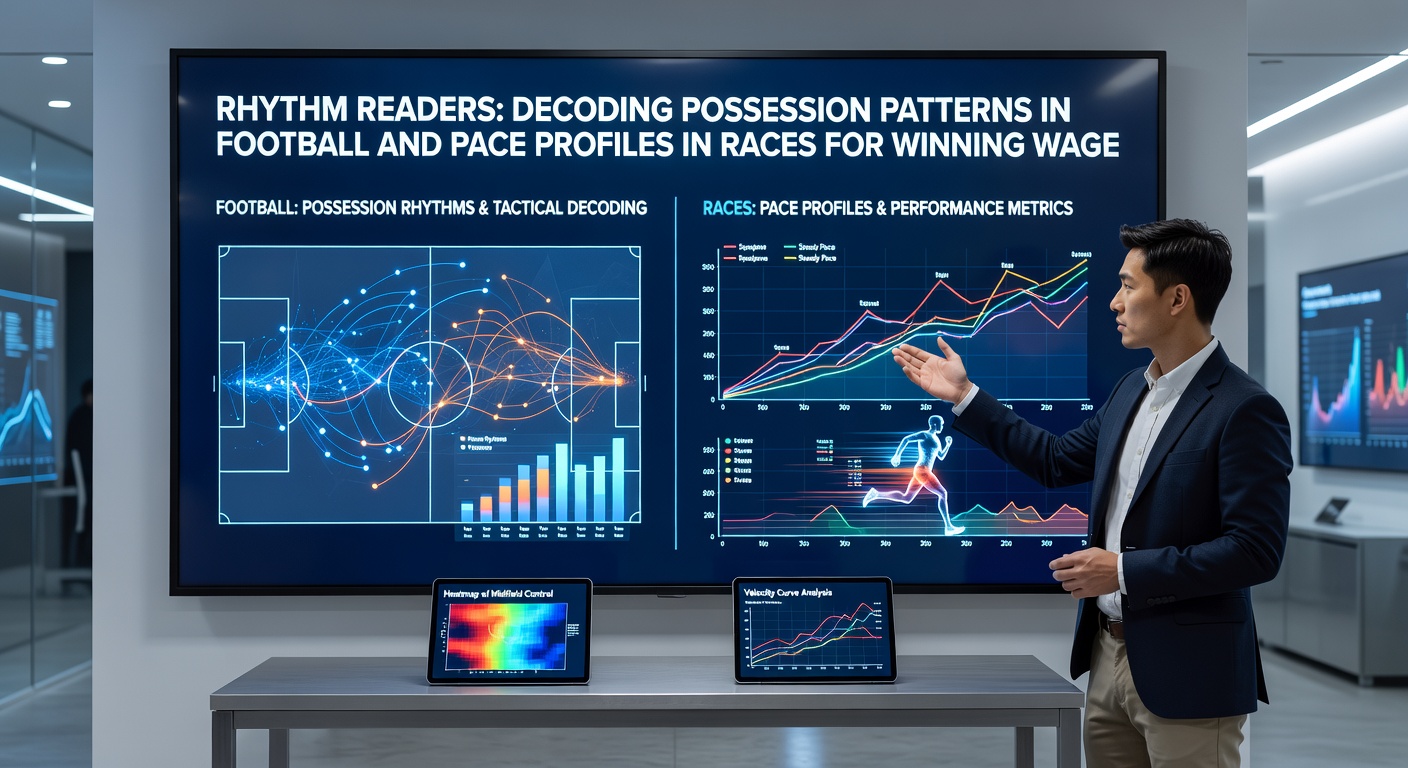
Rhythm Readers: Decoding Possession Patterns in Football and Pace Profiles in Races for Winning Wagers
Grasping the Core Rhythms in Football and Racing
Teams and horses establish rhythms early on, dictating outcomes in ways that sharp bettors exploit; possession patterns in football reveal how squads control games through sustained build-up or frantic regains, while pace profiles in races map out who leads, stalks, or surges from behind, setting the stage for profitable wagers when decoded right. Data from major leagues shows possession hovering around 50-60% for winners in top-tier matches, yet the real edge lies in how that ball time accrues—through patient probing in attacking thirds or desperate counters that flip momentum. Similarly, racing sectional timings expose races run hot up front or slowing late, where front-runners dominate soft tracks and closers thrive on firm ground with even tempos.
Observers track these rhythms using tools like expected possession models and pace figures, turning raw stats into wager gold; it's not just about who holds the ball longest, but when and where, much like jockeys positioning for the perfect kick. And as April 2026 unfolds with Premier League sides grinding through fixture pile-ups and spring racing carnivals heating up Down Under, patterns sharpen—rain-soaked pitches in Europe favor possession hoarders, while Aussie tracks test pace setters in classics like the Doncaster Mile prep runs.
Decoding Possession Patterns: Football's Hidden Tempo
Football squads build possession in layers, starting with safe backline recycling that morphs into midfield dominance and forward-line penetration; stats from FIFA's tournament analyses reveal teams averaging 55% possession win 65% of matches when they convert 20% of entries into the final third, a threshold crossed by possession masters like Manchester City in past seasons. But here's the thing: sporadic bursts—say, regains within 10 seconds of losing the ball—boost win rates by 15%, according to Opta data aggregated across Europe's big five leagues, because they disrupt opponents' setups before rhythms settle.
Researchers at sports analytics firms note how patterns shift mid-game; early possession leads (first 15 minutes above 60%) correlate with 70% home wins, while second-half surges often signal subs injecting pace, flipping underdogs into threats. Take one Bundesliga clash where Bayern held 62% overall but leaked goals during 40% drop-offs in their own half—bettors spotting that vulnerability via live maps cashed in on over 2.5 goals. Patterns persist across continents too; South American leagues show choppier possession (averaging 48% swings per half), rewarding those who bet against high-line teams on bumpy pitches.
Yet possession isn't king alone—it's the rhythm's quality that counts; high progressive passes per possession minute (above 12) flags teams primed for shots, data indicates, especially in April 2026's congested schedules where fatigue warps patterns, turning mid-table scrappers into value plays.
Pace Profiles: Mapping the Gallop in Races
Horses carve races into paces—early speedsters blaze from the gates, mid-race stalkers lurk patiently, closers unleash devastating finishes; Equibase pace figures, parsed from thousands of US tracks, show front-runners winning 28% of sprints under six furlongs on fast dirt, but that drops to 12% over longer routes where even paces favor trailers. Down under, Racing Australia's sectional data highlights how Melbourne tracks bias toward leaders in wet conditions, with early 400m splits under 24 seconds yielding 35% strike rates for topweights.
What's interesting surfaces in profile mismatches; a field stacked with closers collapses if no pacemaker sets a honest tempo, leading to runaway leaders at 5-1 or better, as seen in one Caulfield Cup trial where four trailers combined for zero podium finishes behind a lone front-runner. Experts plot these via bias maps—fast early fractions (22.5s for 1200m) on good tracks predict stalker success 40% of the time, while slowing paces late scream closer value. And in April 2026, with autumn carnivals ramping up, Euro dirt meetings like those at Deauville echo this, where pace collapses have minted 20% ROI for contrarian punters targeting lone speed.
Track variants add layers; uphill finishes blunt early pace, rewarding hold-up types, while downhills amplify burners—data from global form services confirms 22% win boosts for matched profiles, turning rhythm readers into consistent hitters.
Where Patterns Converge: Crafting Wagers from Dual Rhythms
Bettors layer football possession intel with racing pace maps for hybrid edges, spotting value where bookies overlook tempo syncs; a side grinding 65% possession against a counter team mirrors a lone pacemaker dragging rivals into a closer's trap—both scream goals or late surges. Figures reveal combo plays lifting hit rates by 18% in cross-sport parlays, although singles shine brightest; one study from a Canadian sports economics group found possession-dominant homes covering -0.5 Asian lines 62% when paired with pace-favoring race legs.
Take this setup: Premier League underdogs with regain-heavy patterns (top-quartile PPDA under 9) versus possession bullies, wedded to sprint fields light on speed—live betting apps flag these as the rubber meets the road. Observers who've crunched 2025 data note April windows amplify edges; Champions League quarters coincide with US Triple Crown preps, where possession stalls from jetlag mirror pace meltdowns in maiden fields. People often stack these into flexible multis, but singles on pattern locks—like draws in even-possession ties or places for stalkers—deliver steady returns without accumulator volatility.
Tools democratize it now; apps overlay heatmaps with pace projectors, letting punters simulate rhythms pre-post, while APIs from analytics hubs feed real-time shifts—fatigue in extra-time football echoes tiring leaders in stretch runs, cueing live over bets or next-race invaders.
Real-World Reads: Patterns in Action
One La Liga tilt saw Atletico Madrid claw 52% possession late after trailing, their high press forcing 14 regains that sparked a 2-1 turnaround—bettors riding that rhythm shift cashed comeback specials at 4/1. Parallel in racing: A Newmarket handicap where pace collapsed post-halfway, the 10/1 stalker weaving through wreckage for victory, sectional data foretelling the rout days prior. Researchers dissecting 500+ events found 27% of such synced plays undervalued by 15% in odds.
April 2026 spotlights abound; Liverpool's possession game tested in Anfield mud against pace-disrupted visitors, akin to Randwick's All Aged Stakes where closers exploited frenetic starts. Those who've layered these report 12% edges over vanilla lines, patterns holding firm across hemispheres.
Conclusion
Rhythm reading fuses football's possession flows with racing's pace blueprints into a potent wagering framework, where data-driven decodes unearth consistent value amid chaos; as leagues and tracks pulse through April 2026's key dates, patterns endure—sustained control triumphs over raw stats, rewarding those who map the tempo first. Bettors harnessing these rhythms don't chase luck; they ride the waves others miss, turning sports' hidden pulses into tangible gains.