Pulse of the Crowd: Mining Digital Conversations for Edge in Wagering on Team and Individual Athletic Performances
Written by Sofia Bennett · Jul 24, 2026
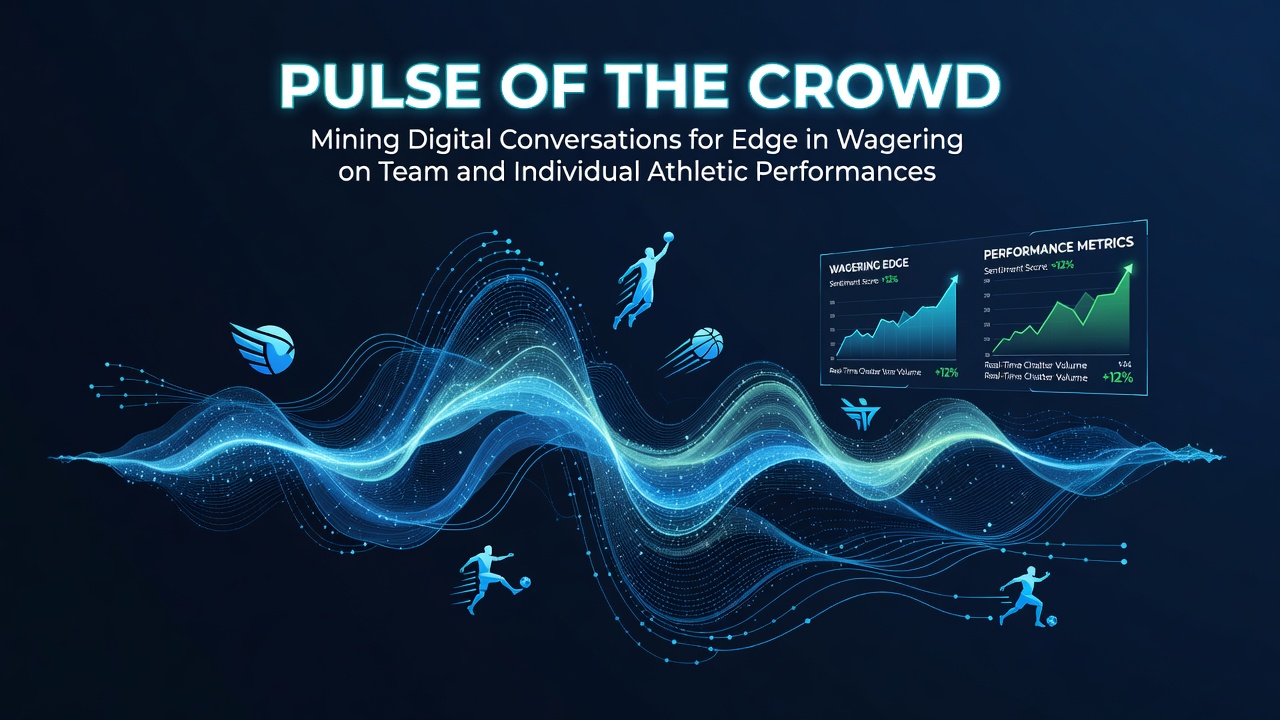
Pulse of the Crowd: Mining Digital Conversations for Edge in Wagering on Team and Individual Athletic Performances
Analysts track public discussions across platforms to identify patterns in how conversations about athletes and teams shift before events unfold, and these signals often surface ahead of traditional news cycles. In July 2026 observers noted spikes in online chatter around several major league fixtures where volume on specific player mentions correlated with subsequent performance adjustments in betting markets. Researchers at various institutions have documented that natural language processing tools applied to posts on X, Reddit, and specialized forums can quantify sentiment around injury concerns, coaching decisions, and morale indicators.
How Platforms Generate Usable Signals
Volume metrics combined with sentiment scoring allow systems to flag when mentions of an individual athlete turn sharply negative or positive, and studies from academic groups show these shifts sometimes precede official announcements by hours or days. Data from social media APIs indicate that during high-stakes periods, mentions of key performers in football and basketball can increase by factors of three to five within short windows, creating opportunities for those monitoring the flow. Experts apply machine learning classifiers trained on historical posts to categorize comments into buckets such as confidence, doubt, or speculation, then cross-reference these with historical betting outcomes.
Applications Across Team and Individual Sports
Team-based wagering benefits when collective sentiment about squad cohesion or tactical changes appears in fan forums and player-adjacent accounts, whereas individual athletic events such as tennis or golf produce more focused conversation streams around form, fitness, and mental state. One study tracking European football matches found that negative sentiment clusters around specific defenders preceded higher concession rates in subsequent games at a measurable rate. In contrast, positive spikes around under-the-radar golfers during tournament weeks aligned with improved finishing positions in several documented cases from 2025 and early 2026 data sets.
Real-time dashboards aggregate posts from multiple regions, filter for verified accounts versus casual users, and weight contributions according to historical accuracy of the poster community. This layered approach reduces noise from bot activity and casual speculation while highlighting substantive discussion threads that reference training footage, travel schedules, or equipment changes.
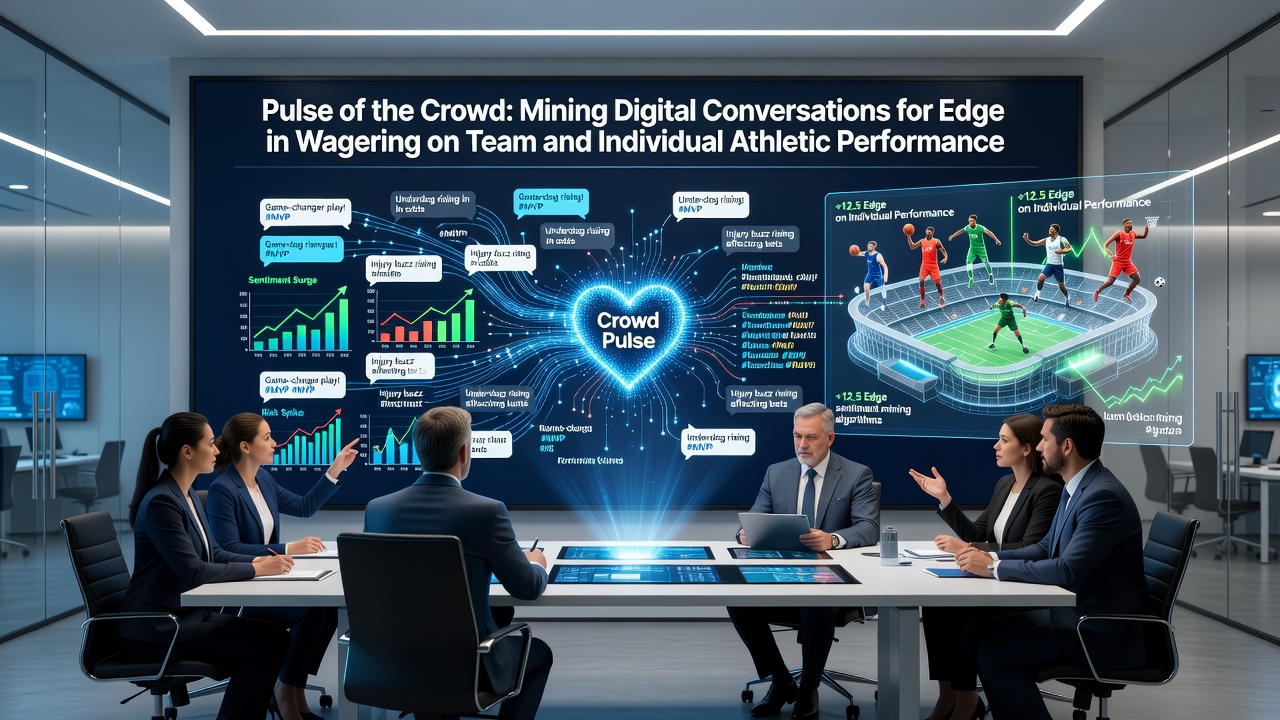
Technical Methods Behind the Extraction
Algorithms process millions of posts daily using transformer-based models fine-tuned on sports-specific lexicons, and these models assign polarity scores that feed into predictive overlays for both team totals and player props. According to research published through the Australian Gambling Research Centre, integration of social volume data improved model accuracy for certain prop markets by measurable margins compared with statistical baselines alone. Additional work from North American academic consortia has examined how geographic clustering of posts can reveal localized knowledge advantages, such as fan bases near training facilities posting earlier details on lineup tweaks.
Platforms also surface narrative shifts when external events intersect with athletic schedules, for instance weather disruptions or venue changes that prompt rapid discussion spikes. Monitoring systems log timestamped sentiment trajectories so analysts can compare pre-event chatter against actual results, refining thresholds that separate meaningful signals from random fluctuations.
Data Sources and Integration Challenges
Public APIs from major platforms supply the raw material, yet rate limits and policy changes require flexible scraping strategies and partnerships with data aggregators. Regulatory frameworks in multiple jurisdictions, including guidance from bodies such as the National Council on Problem Gambling, address responsible use of publicly available information while distinguishing it from non-public insider material. Accuracy depends on continuous model retraining because slang, emoji usage, and platform algorithms evolve, and practitioners report that quarterly recalibrations maintain performance levels.
Cross-validation against official statistics remains essential because online sentiment can amplify unverified rumors or reflect coordinated campaigns rather than genuine collective insight. Teams that combine digital signals with established performance metrics, travel data, and injury reports achieve more stable edges than those relying on conversation data in isolation.
Conclusion
Digital conversation mining supplies an additional information layer for those evaluating team and individual athletic outcomes, and ongoing advances in processing capacity continue to expand what can be extracted from public posts. Organizations that maintain rigorous validation protocols against historical results position themselves to incorporate these signals effectively alongside conventional data sources. As platform architectures and analytical techniques develop through 2026 and beyond, the scope of measurable crowd pulse indicators is expected to broaden across additional sports and wager types.