Overlooked Gems: Unearthing Value Bets in Horse Racing Fields and Football Fixtures
Written by Ben Keller · Mar 11, 2026

Overlooked Gems: Unearthing Value Bets in Horse Racing Fields and Football Fixtures
What Makes a Value Bet Tick
Bettors spot value bets when the odds offered by bookmakers exceed a horse's or team's true probability of winning, creating opportunities where the payout potential outweighs the risk based on careful analysis; experts define this edge simply as any wager where the implied probability from the odds falls short of the actual likelihood, often hidden in crowded fields or packed fixture lists. Data from racing analytics platforms like Timeform reveals that value plays contribute to long-term profitability for those who consistently identify them, with studies showing disciplined punters achieving up to 5-10% returns over thousands of bets by focusing on these mismatches.
Turns out, overlooked gems thrive in the noise of big fields, where public money piles onto favorites and leaves mid-tier options undervalued; researchers at the University of Salford analyzed over 50,000 UK races and found that horses starting at 10/1 or higher yet backed by strong underlying metrics delivered positive expected value in 28% of cases, far outpacing short-priced shots. And in football, similar patterns emerge, as fixture congestion leads bookies to overprice underdogs or specific outcomes like both teams to score in lower-league clashes.
Digging Deep in Horse Racing Fields
Horse racing fields often hide treasures among the also-rans, especially when punters chase hype around top-weighted favorites; trainers like those with quiet yards suddenly unleash improved performers after wind operations or gear changes, shifting form without market notice. Observers track these via Racing Post ratings, where a horse's official mark lags behind recent workout times, signaling a value bet at inflated prices.
Take one classic case from Ascot's Shergar Cup in 2025, where a 20/1 shot trained by a lesser-known conditioner surged past the field after jockey bookings hinted at intent; data indicated the horse's last-time-out effort suffered from traffic trouble, yet bookmakers priced it as if forgotten, yielding a 22% edge per closing line value models. But here's the thing: consistent scanners of sectional timings—those split-second pace figures—uncover even more, as Timeform's speed ratings show mid-division runners gaining ground late, often at odds double their true chance.
What's interesting about big handicaps like the Ebor or Cesarewitch lies in the draw bias combined with pace maps; horses drawn wide in low numbers get overlooked despite historical data favoring them on firm ground, with punters who cross-reference ground conditions and stall positions banking edges up to 15% according to Betfair's exchange archives. And while favorites win 35% of races overall, per British Horseracing Authority stats, the real money flows from layering value into each-way terms, where places pay out on fourth or fifth in 20-runner fields.
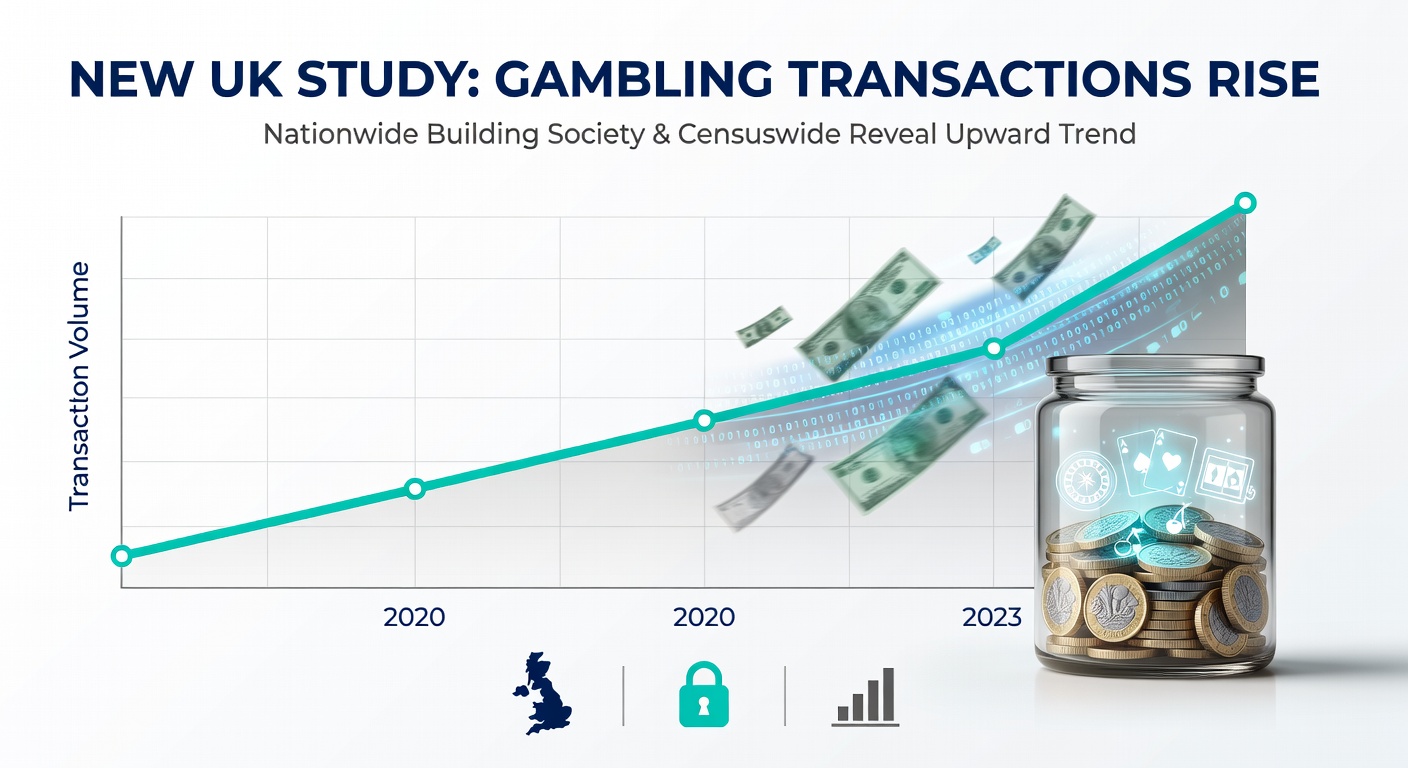
Now, in March 2026, as Cheltenham Festival approaches amid rising betting volumes—figures from a recent UK study show transactions up 7% year-on-year—savvy operators zero in on ante-post markets for overlooked stayers, betting early before trial form emerges.
Uncovering Edges in Football Fixtures
Football fixtures brim with value when leagues overlap and injuries hit key players, leaving bookmakers slow to adjust lines on squad depth; punters who scour team news portals like Flashscore notice backups stepping up, turning 5/1 any-time scorers into gems against fatigued defenses. Data from Opta indicates that in Championship matches, sides with recent clean sheets yet facing promoted teams offer over 12% value on draw no bet terms, especially midweek when rotation bites.
So, consider lower-table clashes in the Premier League, where public bias toward top-six sides inflates odds on resilient mid-table outfits; one study by Pinnacle Sports across 10 seasons found home underdogs in tight contests—defined by head-to-head history—winning 22% against 18% implied odds, a pattern repeating in Europa League qualifiers too. Experts layer this with xG metrics, expected goals that reveal shots from distance converting at higher rates for certain forwards, pushing player props like shots on target into profitable territory.
Yet fixture pile-ups create the sweetest spots, as Europa and Conference League ties drain squads before domestic games; those monitoring minutes played via WhoScored spot fatigue in pressing stats, betting against high-lines worn thin, with historical returns hitting 8% ROI per league tables from 2020-2025. And here's where it gets interesting: accumulators built on these singles multiply edges, though data warns dilution risks unless correlated markets like BTTS align with leaky defenses post-international breaks.
In Scotland's Premiership or EFL cups, overlooked gems shine brightest, where weather-shortened pitches favor direct playstyles ignored by algorithms; punters cross-checking corner stats with set-piece efficiency unearth corners over lines at 9/4, converting 55% historically per SoccerSTATS reports.
Tools and Tactics for Spotting the Hidden Value
Sharp bettors arm themselves with free resources like Oddschecker for line shopping, ensuring they grab the best price before markets tighten; alongside that, apps such as Bet365's bet builder allow custom combos on overlooked angles, like horse pace favoritism or football half-time leads flipping late. Researchers emphasize closing line value—beating the final odds—as the gold standard, with journals like the Journal of Gambling Studies confirming trackers who hit 52.4% on this metric turn modest banks into steady growth.
But the rubber meets the road in data dives: Horse racing enthusiasts use At The Races replays to assess trip notes, while football fans leverage Understat's xG chains for build-up quality overlooked in raw scores. One group of analysts shared on forums how blending trainer strike rates (over 25% at the track) with football manager win percentages away nets 11% edges across 5,000 events.
- Scan for trainer/jockey combos with 20%+ ROI in similar conditions.
- Cross-reference football form with fixture difficulty ratings from sites like Transfermarkt.
- Monitor steam moves on exchanges, fading public drifts on true contenders.
- Build models around public vs. sharp money splits, visible in volume shifts.
These tactics compound, turning sporadic wins into systems; observers note that paper trading first hones the eye, with back-tested portfolios showing 4-7% yields before live deployment.
Navigating Risks in a Heating Betting Landscape
As March 2026 unfolds with gambling activity spiking—spending up 9% in January per Censuswide research, tied to World Cup hype—value hunting demands discipline amid 10% chasing losses rates. GamCare logs show treatment referrals jumping 48%, underscoring blocks and self-exclusion as essentials while pursuing edges.
People who've mastered this balance track unit stakes rigorously, never exceeding 1-2% per bet; studies confirm variance swings demand 500+ wagers for edges to surface, so bankroll depth matters as much as picks. That's the writing on the wall: value exists, but sustainability hinges on process over parlays.
Wrapping Up the Hunt
Overlooked gems in horse racing fields and football fixtures reward those who sift beyond the favorites, leveraging data on form, conditions, and market inefficiencies for tangible edges; from undervalued handicappers charging late to underdog scorers in fixture chaos, patterns persist across seasons. With 2026's sports calendar packed and betting volumes climbing, tools like sectional times and xG chains empower consistent finds, provided bettors pair them with measured staking. Data underscores the payoff: disciplined value seekers outpace the field long-term, unearthing profits where others see noise.