Leveraging Venue Soil Profiles and Grass Strain Variations to Refine Selections Across Equine Circuits and Team Fixtures in Layered Multi-Event Sequences
Written by Ben Keller · Aug 21, 2026
Leveraging Venue Soil Profiles and Grass Strain Variations to Refine Selections Across Equine Circuits and Team Fixtures in Layered Multi-Event Sequences
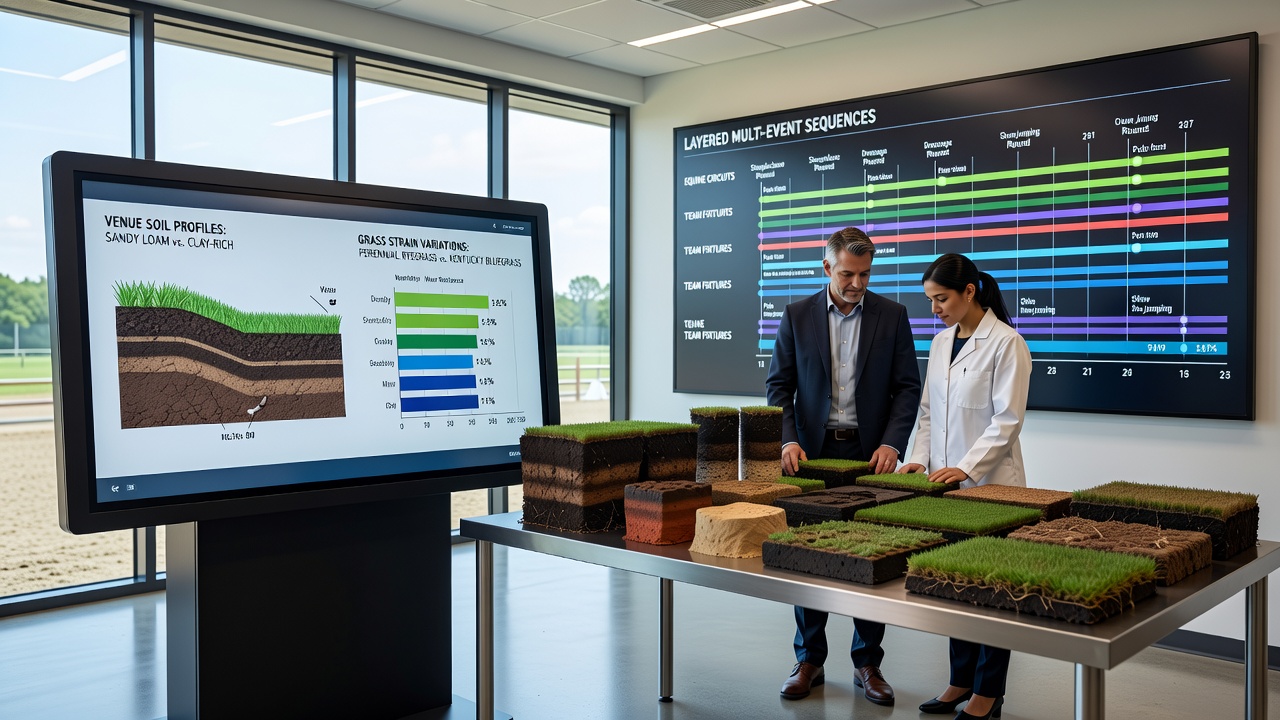
Soil composition and grass strain characteristics at individual venues shape performance outcomes in equine events and team competitions, and analysts examine these factors when preparing selections for sequences that span multiple circuits and fixtures. Data from turf management records show that clay-heavy soils retain moisture longer while sandy profiles drain rapidly, which alters ground firmness and influences stride patterns in horses along with ball behavior in field sports. Researchers at institutions focused on agronomy track these variables through core sampling and moisture sensors, producing datasets that map venue-specific responses to rainfall and maintenance practices.
Soil Profile Analysis in Racing and Field Sports
Equine circuits rely on precise measurements of topsoil depth, compaction levels, and organic matter content because these elements determine how tracks respond during successive race days. Studies conducted across European and North American venues demonstrate that higher silt percentages correlate with slower times on flat courses when precipitation occurs, whereas well-aerated sand mixtures maintain consistent going descriptions even after heavy use. Team fixtures on grass surfaces encounter parallel effects, since pitch hardness measured by penetrometer readings affects player traction and injury incidence rates during consecutive matches. Observers note that venues with balanced soil mixes experience fewer cancellations, allowing schedulers to maintain layered event calendars without disruption.
Grass Strain Adaptations and Performance Data
Grass cultivars such as perennial ryegrass, Kentucky bluegrass, and hybrid bermudagrass exhibit distinct wear tolerance and recovery speeds that venue managers select based on climate zones and event density. Research from Australian turf science programs indicates that ryegrass-dominant swards provide superior winter resilience in cooler regions, supporting firmer conditions for both thoroughbred racing and football codes during peak fixture periods. In contrast, warm-season strains used in southern circuits deliver denser root structures that resist divot formation, which data shows preserves consistent bounce and roll characteristics across multi-week tournament blocks. Analysts integrate these cultivar profiles into models that forecast how surface changes evolve between events, particularly when sequences include both turf tracks and stadium pitches within short timeframes.
Application to Multi-Event Selection Frameworks
Professionals compiling selections for layered sequences cross-reference soil and grass datasets with historical performance metrics from each venue. Records maintained by racing authorities and sports governing bodies reveal patterns where certain horse pedigrees excel on specific soil types, while team formations adapt passing accuracy and defensive positioning according to pitch grass density. In August 2026, updated profiles from major circuits in the southern hemisphere are scheduled for release, incorporating satellite imagery and ground-penetrating radar results that refine existing condition indexes. Those preparing multi-leg projections incorporate these updates to adjust criteria for upcoming race meetings and league rounds that occur in close succession.
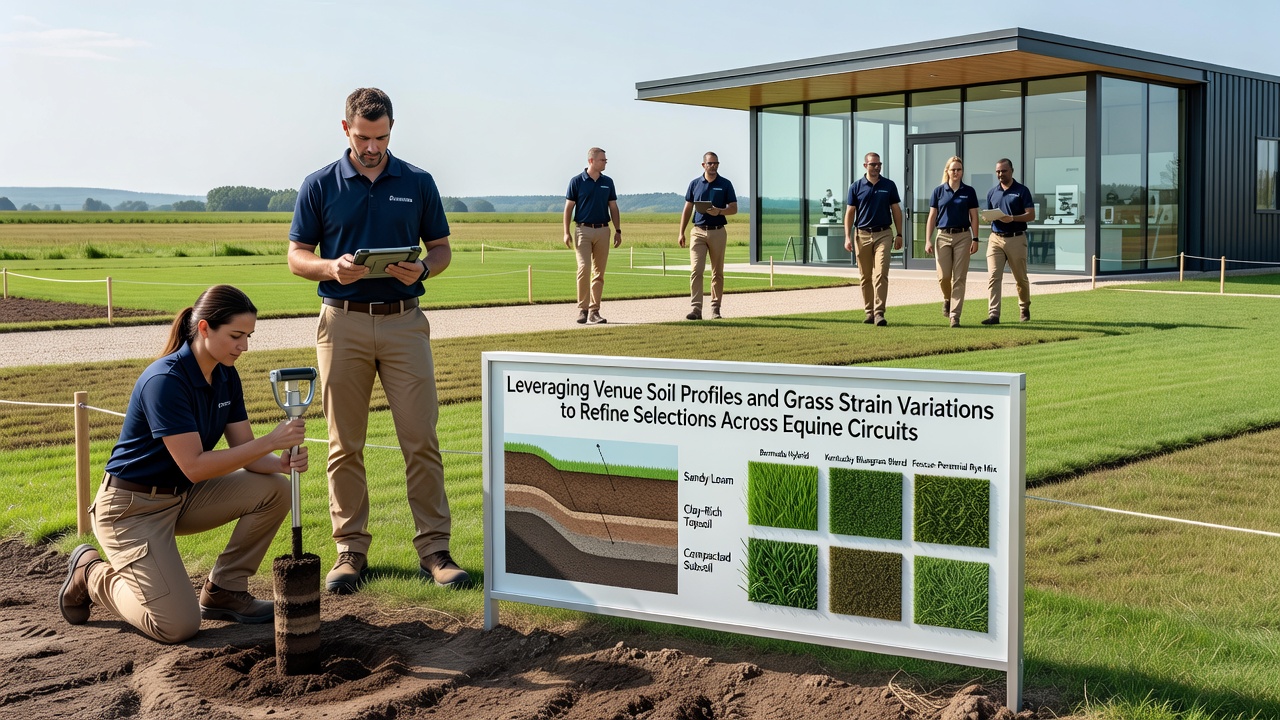
Case examples from North American tracks illustrate how a shift from cool-season to transitional grass blends altered average winning times by measurable margins during summer meets, prompting selectors to recalibrate pace expectations for horses drawn from stables that train on alternative surfaces. Similar adjustments appear in European football schedules, where grounds staff rotate grass varieties to manage fixture congestion, and performance analysts track resulting changes in goal-scoring distributions. The integration of these variables occurs through centralized databases that merge agronomic readings with competition results, enabling systematic refinement of choices across extended sequences.
Regional Variations and Data Integration Practices
Geographic differences in soil taxonomy and climate drive distinct management protocols that influence selection accuracy. Canadian research facilities have documented how freeze-thaw cycles modify subsoil structure at northern venues, affecting early-season equine events and pre-season team training alike. European Union-funded projects on sustainable turf management supply comparative datasets that link grass strain genetics to drought resistance, supporting planners who coordinate events across Mediterranean and temperate zones. These sources feed into software platforms used by analysts, where algorithms weight soil moisture retention against grass recovery timelines to generate venue-adjusted projections for successive legs of multi-event programs.
Conclusion
Venue soil profiles and grass strain variations supply measurable inputs that refine selection processes for equine circuits and team fixtures arranged in layered sequences. Continuous monitoring by research institutions and regulatory bodies across multiple continents supplies the factual foundation for these adjustments, with new data releases scheduled through 2026 enhancing existing frameworks. The resulting models connect surface characteristics directly to observed performance trends, supporting consistent preparation across diverse event calendars.