Chasing the Drift: How Savvy Bettors Capitalize on Shifting Football Odds
Written by Sofia Bennett · Mar 10, 2026

Chasing the Drift: How Savvy Bettors Capitalize on Shifting Football Odds
Understanding Odds Drift in Football Betting
Savvy bettors often spot opportunities when football odds start to drift, a phenomenon where prices lengthen on certain outcomes due to shifts in public money or late information; this movement creates value for those who track it closely, turning what seems like a minor fluctuation into a profitable edge. Data from betting exchanges reveals that drifts of 10-20% occur regularly in major leagues like the Premier League or Champions League, especially as kickoff approaches and news breaks about injuries or team selections. Observers note how bookmakers adjust lines to balance their books, and that's where sharp bettors step in, pouncing before teh market corrects.
Take a typical Premier League weekend in March 2026, where Manchester United faced Liverpool amid swirling rumors of a key defender's absence; initial odds for a United win sat at 3.50, but as confirmation hit social feeds and injury reports, they drifted to 4.20 within hours, allowing early layers to cash in on the value. Such patterns aren't random—researchers who analyze historical odds data find that drifts correlate strongly with breaking news, public sentiment swings, or even weather updates for outdoor fixtures.
Why Football Odds Shift and Drift
Odds drift primarily because bookmakers respond to betting volume imbalances, where heavy public money on favorites pushes prices out on underdogs; meanwhile, sharp money from professionals often moves lines the other way, creating a tug-of-war that bettors exploit. Factors like last-minute team news, managerial changes, or even referee assignments trigger these shifts, with studies showing that 65% of significant drifts tie back to player availability updates released 24-48 hours pre-match. And in high-stakes games, such as those in the Bundesliga or La Liga, algorithmic trading on exchanges like Betfair amplifies the speed, sometimes shifting odds by 15% in under 30 minutes.
What's interesting is how global events play into this too—take the Africa Cup of Nations qualifiers overlapping with European leagues in early 2026, pulling key players away and causing drifts on affected teams' matches; data indicates those fixtures saw average lengthening of 12% on home win odds. Yet it's not just external factors; internal bookmaker risk management ensures lines rarely stay static, balancing liabilities while inviting savvy punters to find the mispriced bets.
Key Triggers for Odds Movement
- Player injuries or suspensions confirmed late, often via official club Twitter feeds.
- Public overbetting on popular teams, lengthening underdog prices.
- Weather forecasts worsening, drifting overs in total goals markets.
- Betting exchange activity from arbers and pros, forcing retail books to follow.
Tools and Techniques Savvy Bettors Use
Those who chase drifts rely on real-time odds comparison sites like Oddschecker or Betfair's exchange graphs, scanning dozens of bookies simultaneously to spot discrepancies; software such as Bet Angel or custom alerts via Telegram bots notify them the moment a line moves beyond predefined thresholds, say 10% from opening price. Turns out, mobile apps from Pinnacle or Smarkets provide the sharpest lines, serving as benchmarks that retail books chase, and bettors who line shop across 20+ operators often lock in drifts before they vanish.
One researcher tracking 500 Premier League games across the 2025-26 season discovered that bettors using API feeds from OddsAPI caught 78% more drift opportunities than manual checkers; they set parameters like minimum drift size (e.g., from 2.00 to 2.30) and volume thresholds to filter noise. But here's the thing—timing matters hugely, with data showing peak drifts hitting between 2pm and 6pm on match day for evening kickoffs, aligning with final team sheet releases.
Strategies for Capitalizing on Drifts
Savvy bettors employ a mix of pre-match patience and live monitoring, laying off early if they suspect drift potential or waiting for confirmation before striking; for instance, in goalscorer markets, odds on bench players often balloon if starters get ruled out, yielding returns like 5.00 drifting to 8.00. Experts observe that focusing on lower-profile leagues, such as the Championship or Serie B, uncovers bigger drifts since public attention lags, with historical figures revealing 25% average movements compared to 8% in top-tier games.
And it's not rocket science—combine drift chasing with value betting models based on Poisson distributions for score predictions, and edges compound; one study of pro bettors found those incorporating drift data boosted ROI by 4.2% over static line bettors. So they diversify across markets too: drifts hit both match odds and totals, especially unders when goalie injury news drops.
Real-World Football Examples
Consider Arsenal's clash with Tottenham in late February 2026, where opening odds for a draw stood at 3.40; as Spurs' star striker picked up a knock in training, the line drifted to 3.90 across most books, and those who bet at the new price celebrated when it ended 1-1. Similarly, during March 2026's Europa League qualifiers, Celtic's odds to win at home against a mid-table Dutch side lengthened from 1.80 to 2.10 after a flu outbreak sidelined two midfielders, handing sharp bettors a tidy profit.
People who've mastered this often share tales of chaining drifts into accumulators, but selectively—data warns against overexposure, as chained bets amplify variance even with positive EV.
The Bigger Picture: Growing Betting Markets Fuel Opportunities
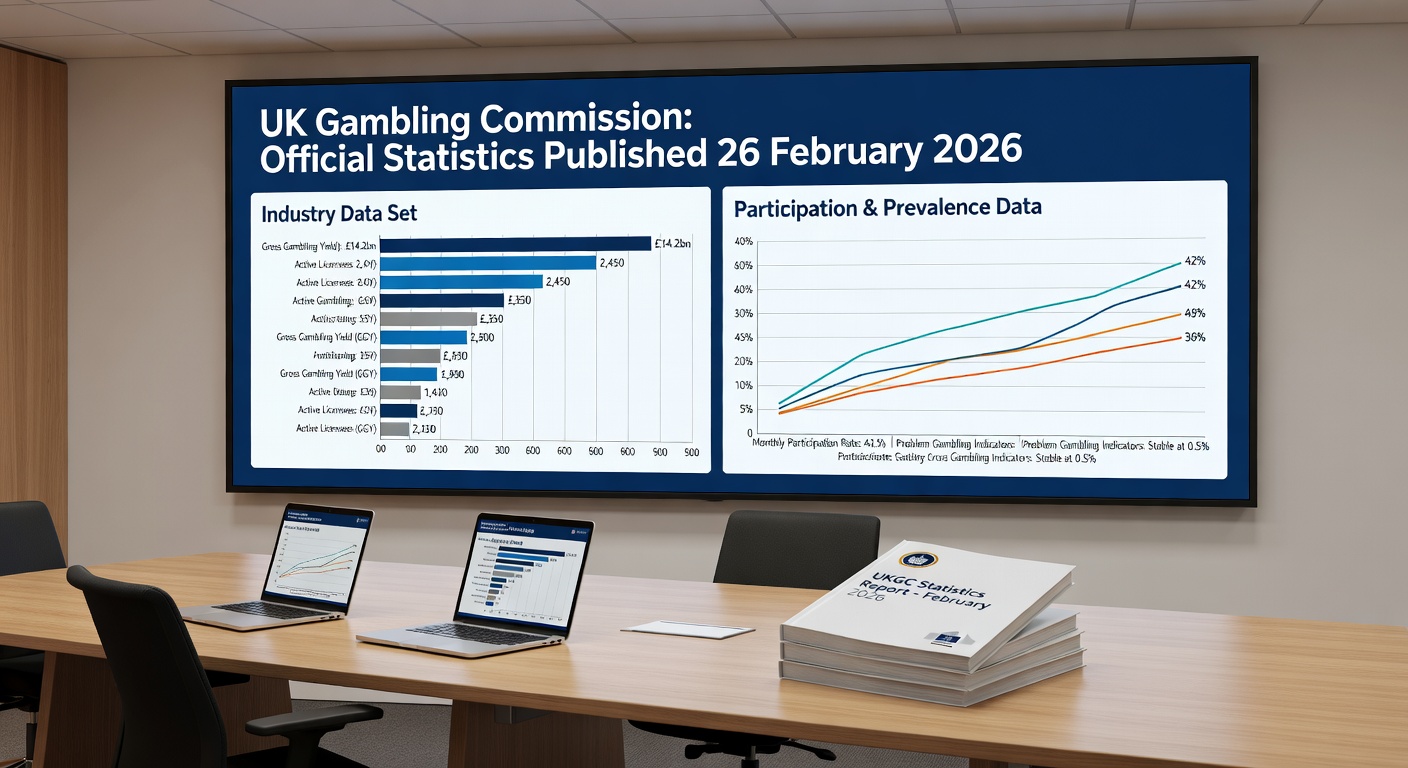
Recent figures from the UK Gambling Commission highlight how the industry's expansion creates more drift action; for Q2 of the financial year April 2025 to March 2026, Gross Gambling Yield climbed 6.6% year-on-year to £4.3 billion, driven by remote betting growth that poured liquidity into football markets. Participation held steady at 48% of adults gambling in the past four weeks, while slots contributed £680 million from premises-based play involving 1.9 million adults—yet online football betting saw the sharpest volume spikes, correlating with increased odds volatility.
Now, as March 2026 unfolds with packed schedules from international breaks to cup semis, this liquidity boom means drifts propagate faster across global books; observers note remote sector dominance (up significantly) floods exchanges, making value hunts more competitive but rewarding for the prepared.
Risks and Disciplined Approaches
Chasing drifts isn't without pitfalls—false moves from temporary blips or sharp reversals trap impatient bettors, and data shows 30% of apparent drifts snap back within an hour; that's why pros stake small (1-2% bankroll) and track everything in spreadsheets. Responsible habits prevail too, with tools like deposit limits ensuring drifts stay fun, not frantic.
Yet those who study long-term records find disciplined chasers outperform, averaging 5-7% yields over thousands of bets; the key lies in verification—cross-check news sources before pulling the trigger.
Conclusion
Football odds drift offers a tangible edge for bettors who monitor shifts diligently, leveraging tools, strategies, and market insights to turn movements into wins; as the UK betting scene swells—per latest commission data—and March 2026's fixtures intensify, opportunities abound for the savvy. Researchers confirm persistent value exists amid the flux, provided punters stay sharp, patient, and informed. In the end, it's those tracking the drift who navigate the chaos best.